


Atropic acid

O-Methyl-L-serine hydrochloride

7-Diethylamino-3-(4-maleimidophenyl)-4-methylcoumarin
for fluorescence-based assay monitors activity of human NMT1 and NMT2 isoforms based on detection of CoA using profluorescent probe CPM
 Out of stock
DDAO
DDAO is used as a calibration standard for DDAO-based enzyme substrates
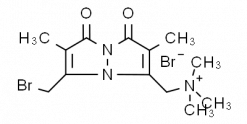
Monobromo(trimethylammonio)bimane bromide
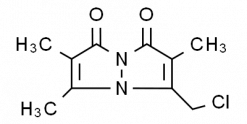
Monochlorobimane
Monochlorobimane is a cell-permeable, thiol-reactive fluorescent probe. In its native form, the substance is virtually non-fluorescent; however, upon binding to thiol groups, it forms a highly fluorescent adduct.
Consequently, it is routinely used in biochemistry and cell biology for the following purposes:
• Glutathione measurement: Quantification of intracellular reduced glutathione (GSH) levels in cellular assays.
• Fluorescence microscopy & flow cytometry: Visualization and measurement of reactive sulfhydryl groups in biological systems.
• Spectroscopic data: The glutathione conjugate exhibits an absorption/excitation maximum at approximately 390 nm and an emission maximum at approximately 480–490 nm.

2-(2,3-Naphthalimino)ethyl trifluoromethanesulfonate
Fluorescent reagent that reacts rapidly with anions of carboxylic acids in acetonitrile, carnitines, and acylcarnitines in tissue for sensitive fluorimetric detection.
